Introduction
What is dumpster diving and why you should care
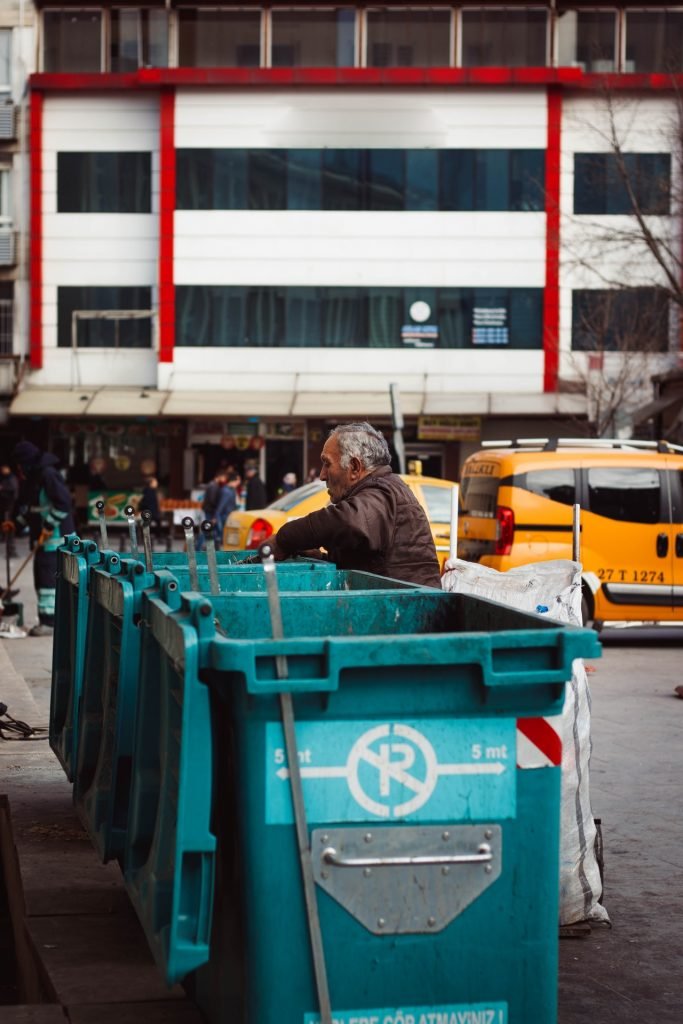
Dumpster diving (also called “binning,” “skipping,” or, when practiced as a lifestyle, freeganism) means searching through trash or discarded materials to find useful, edible, or resellable items. People dumpster dive for many reasons: to save money, reduce waste, recycle and repurpose goods, support community food projects, or as part of a low-impact lifestyle.
Though it sounds niche, dumpster diving connects to major global issues — food waste, landfill reduction, and circular economy practice — and it can provide genuine value when done safely and legally. This article walks you through the legal landscape, safety best practices, ethical considerations, practical tips, and answers the most common questions so you can make informed choices.
Is dumpster diving legal?
There’s no single universal rule. In the United States, a key Supreme Court decision found that trash placed on the curb is not covered by the same Fourth Amendment protections as items kept inside one’s home — meaning law enforcement may examine curbside trash without a warrant. However, local laws, private property rules, trespassing statutes, and ordinances can still make retrieving items from dumpsters illegal in particular places. Always check local law and property rules before you dive. (Oyez, FindLaw)
Quick takeaway: Searching through trash can be legal in some contexts but illegal in others — especially if you cross onto private property, break locks, or ignore posted rules.
Legal details & what to watch for
- Public curbside trash vs. private dumpsters: Courts have treated curbside garbage differently from waste inside locked or private containers. If a dumpster is locked or behind a gate, entering may be trespassing or forced entry. (Oyez, FindLaw)
- Local ordinances: Municipalities sometimes have anti-scavenging or anti-loitering bylaws. A dive that’s legal in one city might lead to citations in another.
- Business policies: Retailers can ask divers to leave; security or police can enforce property rules. Even if taking items isn’t a criminal offense, you can be civilly liable for damage or face store bans.
- Selling found food/items: Re-selling salvaged food may trigger health code or liability issues — check state and local food safety rules. When in doubt, avoid reselling perishable food. (FindLaw)
Health & safety — the priority checklist
Dumpster diving means exposure to sharp objects, broken glass, spoiled food, biohazards (e.g., needles), chemical containers, pests, and heavy lifting. Protecting yourself is non-negotiable.
Top safety practices:
- Personal protective equipment (PPE): Heavy-duty gloves (puncture-resistant), closed-toe boots, long sleeves, and eye protection. Respiratory protection may be appropriate when disturbing dusty or moldy items. OSHA provides guidance on PPE selection and use. (OSHA)
- Awareness around vehicles & machinery: Garbage trucks and compactors are hazardous. Never approach moving collection vehicles and stay well clear of equipment. The National Institute for Occupational Safety and Health (NIOSH) documents serious injuries linked to refuse collection and emphasizes situational safety. (CDC)
- Avoid sharps and medical waste: Do not handle syringes, medical sharps, or anything that looks like regulated medical waste. The CDC and health authorities treat these as high-risk items. (CDC)
- Food safety basics: If you plan to eat salvaged food, understand the risks — cross-contamination, time-temperature abuse, compromised packaging, and unknown storage history can make food unsafe. The FDA and local food safety bodies publish guidance on donation and handling of surplus food; when in doubt, don’t eat it. (U.S. Food and Drug Administration)
Ethical considerations — beyond legality
Dumpster diving raises ethical questions:
- Leave no trace: Clean up after yourself. If you leave a mess, stores may lock dumpsters or press charges, making things harder for others.
- Respect donation streams: Many stores donate unsold but wholesome food to charities. Don’t assume all discarded food is unwanted — if possible, coordinate with or support local food recovery networks.
- Community impact: Want to change business practices? Some divers work with stores or food rescue groups to create formal donation pipelines rather than ad hoc diving.
Advocacy organizations and activists (and many food-waste charities) encourage a culture of responsible salvage and systems that reduce waste without harming communities.
What you can realistically find — and what’s worth it
Common finds:
- Groceries: Overwrapped produce, packaged goods with minor cosmetic defects, overstock grocery releases, and returned items.
- Furniture & appliances: Discarded but repairable items, especially near moving season or after large cleanouts.
- Clothing & textiles: Clean, reusable garments, often near clothing donation areas or retail backrooms.
- Electronics & components: Gently used devices — but exercise caution (battery hazards, data privacy).
- Packaging & craft materials: Cardboard, wood, plastic containers for DIY or upcycling.
Value tip: Fresh produce and sealed, undamaged packaged goods are the most useful greeters for beginners. Avoid open, leaking containers or items with punctured seals.
Timing, location & etiquette: practical tips for beginners
Where to go:
- Grocery stores (especially the back or loading area)
- Bakeries (end-of-day returns)
- College dormitory trash at the end of semesters (for furniture/houseware)
- Apartment complexes during move-out times
- Retailers after seasonal stock rotations
Best times:
- Late evening or early morning after stores finish restocking or unloading.
- For bakeries and restaurants: just after closing.
Etiquette rules:
- Be discreet and respectful: Don’t litter, shout, or block access.
- Leave the area cleaner than you found it: Pick up loose trash.
- If challenged, apologize and leave: Avoid confrontation; it’s rarely worth it.
- Don’t interfere with donations: If you see a donation box or charity pickup, do not remove items intended for donation.
- Respect signage and locked containers: A locked dumpster signals that the owner does not permit access.
Robin Greenfield and other community advocates emphasize the “leave it better than you found it” ethos — good for safety and long-term access. (robingreenfield.org)
Tools & gear checklist
- Heavy-duty puncture-resistant gloves (multiple pairs)
- Durable, closed-toe boots with good traction
- Long pants and long sleeves; avoid loose clothing
- Flashlight or headlamp (hands-free)
- Thick trash bag or tote (for carrying)
- Wire cutters or multi-tool (for safe, lawful opening of non-secured containers only where allowed)
- First-aid kit and disinfectant wipes
- Portable hand sanitizer and an extra change of clothes
- A friend or buddy (safety in numbers) — never dive alone in risky locations or at night
Handling found food — safe inspection process
If you plan to consume salvaged food (your own risk), adopt a strict inspection routine:
- Packaging integrity: Discard any with broken seals, swollen cans, leaking packages, or compromised wrappers.
- Smell & appearance: If it smells off or shows mold (beyond expected for cheese/fermented items), toss it.
- Date labels: “Best by,” “Use by,” and “Sell by” mean different things — the FDA has guidance on donation and date labeling; still, dates are just one factor. (U.S. Food and Drug Administration)
- Perishables: Avoid meat, fish, and dairy unless you know the cold chain was intact.
- When in doubt — throw it out. Your health is not worth saving a questionable item.
Reselling salvaged items — legality & best practice
Reselling reclaimed goods is tempting, but proceed carefully:
- Electronics: Wipe devices and ensure batteries are safe. Make honest descriptions to buyers about condition. Consider wiping data (if possible) and avoid reselling anything that could contain personal data.
- Perishables: Most local regulations prohibit selling perishable salvaged food due to health codes — avoid this entirely.
- Safety & liability: If you resell items, you could be liable if a product injures someone. Use disclaimers, test items, and avoid items that can cause harm (car seats, helmets, damaged electrical appliances).
How dumpster diving helps the environment (and society)
- Reduces landfill waste: Food and items diverted from trash reduce methane emissions and landfill burdens.
- Supports food access: Local rescue and sharing (done properly) can channel food to people in need.
- Promotes reuse & circularity: Many items thrown away are perfectly usable with a bit of cleaning or repair.
If you find large quantities of usable food, consider partnering with a local food bank or mutual aid organization rather than keeping it all for yourself.
Common pitfalls & how to avoid them
- Getting caught on private property: Avoid breaking locks or fences; trespass citations are common.
- Injury from hidden hazards: Always inspect before reaching; use a stick or tool to move plastic layers and look for sharp objects.
- Exposure to pesticides, chemicals, or foul biological waste: If something looks like chemical waste, leave immediately and report to the store or local waste management if necessary.
- Social stigma: Be discreet, polite, and prepared to explain your reasons if confronted — but remember you can always walk away.
FAQs — quick answers readers search for
Q1: Is dumpster diving illegal?
A: Not universally. In the U.S., the Supreme Court ruled that trash left for collection in public areas has reduced Fourth Amendment protection, but local laws, trespassing rules, and private property rights vary — so check local regulations and avoid breaking locks. (Oyez, FindLaw)
Q2: Can I get sick from eating dumpster food?
A: Yes — spoiled or contaminated food can make you sick. Follow strict inspection rules and prefer sealed, intact packages and produce that looks and smells fresh. The FDA publishes guidance on safe handling of donated or surplus foods. (U.S. Food and Drug Administration)
Q3: What PPE should I wear?
A: At minimum: heavy-duty gloves, closed-toe boots, long pants, and eye protection. For more hazardous conditions, respiratory protection and thicker outerwear can help; OSHA has detailed PPE guidance. (OSHA)
Q4: Can businesses punish dumpster divers?
A: Businesses may call security or police, issue trespass warnings, or post “no scavenging” signage. You can be asked to leave and could face civil or criminal penalties if you trespass or damage property. (FindLaw)
Q5: How can I find dumpster diving locations?
A: Research local business hours, target stores that overstock or have strict cosmetic standards (bakeries, large supermarkets). University move-out days and flea markets after events are good sources for furniture and household goods.
Q6: Should I coordinate with charities instead?
A: For large-scale food salvage, partnering with formal food recovery groups or food banks is safer, legal, and scalable. Many organizations are actively seeking donations and can handle liability/food safety protocols.
Sample checklist — before you dive
- Confirm local laws/ordinances for your city or neighborhood.
- Inspect the site in daylight before returning at night.
- Bring gloves, flashlight, and a buddy.
- Check for signs, locks, or security presence.
- Identify exits and safe routes (no steep drops or compactors nearby).
- Carry a phone and basic first-aid kit.
Responsible alternatives to dumpster diving
If you like the goals behind dumpster diving (reduce waste, access free goods) but want less risk:
- Volunteer with food recovery groups (many have formal agreements with grocers).
- Join community fridges or mutual aid networks.
- Shop at salvage grocery stores that legally sell near-expiration items at a discount.
- Organize a neighborhood swap or repair café to reuse unwanted goods.
The USDA, FDA, and many NGOs run programs and toolkits for safe donation and recovery that accomplish the same aims without legal risk. (USDA, U.S. Food and Drug Administration)
Final thoughts
Dumpster diving can be a pragmatic, environmentally meaningful activity when done thoughtfully. The difference between a positive experience and trouble often comes down to respecting laws and property, prioritizing safety and hygiene, and choosing ethical practices (like coordinating with charities when appropriate). If you decide to dive, do so with care, good gear, and community-minded behavior.
Short Disclaimer (copy/paste ready)
Disclaimer: The information in this article is for general informational purposes only and does not constitute legal, medical, or professional advice. Dumpster diving laws and regulations vary by country, state/province, and municipality — check local statutes and property rules before salvaging items. Dumpster diving involves physical and health risks (including exposure to biohazards, sharps, spoiled food, and hazardous materials). Follow all applicable safety guidance, wear appropriate PPE, and when in doubt discard questionable items. The author and publisher are not responsible for any injury, illness, legal penalty, or other consequences resulting from attempting or following the advice in this guide.
Sources & further reading (authentic links)
- California v. Greenwood (US Supreme Court) — case overview and decision. (Oyez)
- FindLaw — practical legal overview of dumpster diving and related laws. (FindLaw)
- FDA — Surplus, Salvaged, and Donated Foods guidance. (U.S. Food and Drug Administration)
- NIOSH/CDC — Preventing worker injuries & deaths from refuse collection vehicles (safety research). (CDC)
- OSHA — Personal Protective Equipment guide PDF. (OSHA)
Our Top Picks-Explore & Enjoy
If you enjoyed this post, we’ve hand-picked my favorite, tried-and-true recommendations for Relationships, Pet care, Travel, evidence-backed wellness,and much more. Go to your relevant niche below and start improving love, health, and pet happiness today.
Travel ✈️🛣️
Travel smarter, not harder. Why spend hours scouring the web to piece your trip together? I use a one-stop-shop for scoring the best prices on everything from rental cars and flights to all-inclusive resorts. It’s my secret for turning travel dreams into reality without blowing the budget. Explore here
Beauty & Health 🌿⚕️
Cut through the hype and find supplements and everyday wellness tools that deliver. Discover how to read labels, select high-quality products, and incorporate them into simple habits for lasting results. Find here
Pets 🐶🐱
From leash manners and crate comfort to picky-eater solutions and seasonal care — learn straightforward training techniques and simple nutrition tips that prevent problems and boost wellbeing. Practical advice every pet parent can follow. click here
Relationship❤️💕
Feeling distant from your partner? Discover practical conversation starters, small daily rituals, and conflict tools that help restore trust and warmth. No jargon — just realistic steps you can start using today.click here
Be on-line🛜💻
For Bloggers and writers—-Boost your website’s performance with ultra-fast servers, 24/7 expert support, and a beginner-friendly control panel—all at unbeatable prices. Whether you’re launching a blog, online store, or portfolio, it makes it effortless to get online and scale as you grow. Ready to level up? 👉 Grab your exclusive deal here!