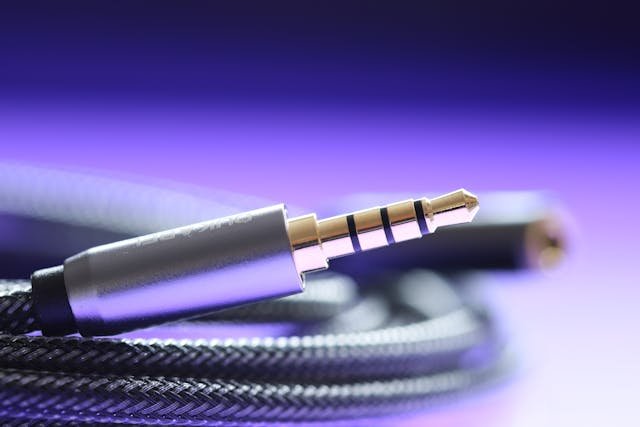
In the world of high-fidelity audio, every component matters—from your amplifier and speakers to the cables that connect them. While often overlooked, coaxial speaker cables are critical for transmitting pristine audio signals with minimal degradation. Whether you’re an audiophile, a home theater enthusiast, or a casual listener, understanding the role of coaxial cables can transform your audio experience. This comprehensive guide explores everything you need to know about coaxial speaker cables, including their construction, benefits, drawbacks, and how to choose the right one for your system. We’ll also delve into DIY tips, industry trends, and frequently asked questions to help you make an informed decision.
What Is a Coaxial Speaker Cable?
A coaxial speaker cable is a type of electrical cable designed to transmit audio signals from an amplifier or receiver to speakers with high fidelity. Its structure consists of four primary layers:
- Center Conductor: Typically made of copper or copper-clad steel, this inner core carries the audio signal.
- Dielectric Insulator: Surrounds the center conductor, preventing electrical shorts and maintaining signal integrity.
- Metallic Shield: A braided copper or aluminum layer that protects against electromagnetic interference (EMI) and radio-frequency interference (RFI).
- Protective Jacket: The outer PVC or thermoplastic coating that safeguards the internal components from physical damage and environmental factors .
Coaxial cables are widely used in various applications, including television, internet, and radio frequency transmission, but their use in audio systems has gained popularity due to their superior shielding and signal preservation properties .
How Coaxial Cables Enhance Audio Quality
Minimal Signal Loss
The coaxial design minimizes signal loss over short to medium distances. The dielectric insulator and metallic shield work together to reduce energy radiation, ensuring that the audio signal reaches your speakers with minimal attenuation. This is particularly beneficial for high-frequency signals, where lossiness is more pronounced .
Superior Shielding
External interference from devices like Wi-Fi routers, cell phones, and other electronics can degrade audio quality. Coaxial cables’ braided shielding effectively blocks EMI and RFI, resulting in a cleaner, noise-free sound. This makes them ideal for crowded electronic environments .
Impedance Matching
Coaxial cables typically feature a 75-ohm impedance, which matches well with most audio equipment. Proper impedance matching reduces signal reflection and ensures efficient power transfer, enhancing sound clarity and dynamics .
Durability and Longevity
With robust construction materials like oxygen-free copper (OFC) conductors and gold-plated connectors, coaxial cables are built to last. They resist corrosion and physical wear, making them a reliable long-term investment .
Disadvantages of Coaxial Speaker Cables
Bulkiness and Inflexibility
Due to their multilayered design, coaxial cables are thicker and less flexible than standard speaker wires. This can make installation challenging in tight spaces or when concealing cables is a priority .
Signal Loss Over Long Distances
While excellent for short runs, coaxial cables can experience signal degradation over extended lengths (beyond 50 feet). This limits their suitability for large venues or complex setups .
Impedance Mismatch Issues
Some speakers have impedance ratings as low as 4–8 ohms, which may not align perfectly with the cable’s 75-ohm design. This can cause signal reflection and reduced efficiency, though it’s less critical for analog signals than digital ones .
Cost Considerations
High-quality coaxial cables, especially those with gold-plated connectors and advanced shielding, can be more expensive than basic speaker wires. However, their performance benefits often justify the investment for serious audio enthusiasts .
Applications of Coaxial Speaker Cables
- Home Theater Systems: Ideal for connecting subwoofers, surround sound speakers, and AV receivers.
- Professional Audio setups: Used in studios and live sound environments for their noise rejection capabilities.
- High-Fidelity Stereo Systems: Perfect for audiophiles seeking uncompromised audio quality.
- Digital Audio Transmission: Supports S/PDIF and other digital formats for crystal-clear audio .
How to Choose the Right Coaxial Speaker Cable
Cable Length
Choose a length that comfortably reaches between your components without excess slack. Longer cables can introduce signal loss, so avoid unnecessary length .
Connector Quality
Gold-plated connectors offer superior conductivity and corrosion resistance compared to nickel or brass alternatives. They ensure a reliable connection and lasting performance .
Shielding Type
Look for cables with dual shielding (e.g., foil and braided layers) for maximum interference protection. Products like the Mediabridge Ultra Series employ this technology effectively .
Impedance Rating
Stick to 75-ohm cables for audio applications. Avoid using video-specific coaxial cables (e.g., RG-6) as they may not optimize audio performance .
Compatibility
Ensure the cable is compatible with your devices. Most modern audio equipment supports RCA connectors, but some professional gear may require XLR or other terminations .
Budget
Allocate 10–15% of your system’s total cost to cables. Premium options like the AudioQuest Rocket 22 offer exceptional performance but come at a higher price point .
DIY Coaxial Speaker Cable Installation
Converting a standard coaxial cable into a speaker wire is straightforward:
- Measure the Distance: Determine the required length between your amplifier and speaker.
- Cut the Cable: Use wire cutters to trim the coaxial cable to size.
- Strip the Outer Jacket: Carefully remove about 1–2 inches of the outer protective layer.
- Expose the Shield: Twist the braided shield into a single strand—this will serve as the negative conductor.
- Expose the Core: Strip the dielectric insulator to reveal the center conductor, which will act as the positive conductor.
- Connect to Terminals: Attach the core to the red (positive) terminal and the shield to the black (negative) terminal on both the amplifier and speaker .
Note: Always double-check connections to avoid short circuits.
Top Coaxial Speaker Cable Recommendations
- Amazon Basics Digital Audio Coaxial Cable: Affordable and reliable, with excellent shielding and RCA compatibility .
- KabelDirekt Coaxial Cable: Features oxygen-free copper conductors and a durable PVC jacket .
- FosPower Digital Audio Coaxial Cable: Offers polyethylene foam insulation and color-coded connectors for easy installation .
- Mediabridge Ultra Series: Boasts dual shielding and gold-plated connectors for premium performance .
- AudioQuest Rocket 22: A high-end option with noise-dissipation technology and superior construction .
Industry Trends and Future Outlook
The coaxial cable market is evolving rapidly, driven by demand from telecommunications, aerospace, and audio industries. Key trends include:
- Fire-Resistant Designs: Companies like Nexans S.A. are developing fire-resistant cables for safer installations .
- 5G and IoT Integration: Coaxial cables are adapting to support higher frequencies and data rates for next-gen applications .
- Eco-Friendly Materials: Sustainable manufacturing and recyclable materials are becoming priorities .
The market is projected to reach $46 billion by 2029, reflecting a compound annual growth rate (CAGR) of 5.9% .
FAQs About Coaxial Speaker Cables
Can I use a coaxial cable as a speaker wire?
Yes, but it’s important to choose the right type. RG-11 and RG-59 coaxial cables are best suited for audio applications due to their impedance and construction. Avoid using RG-6 cables, as their shielding design isn’t optimal for speakers .
What is the difference between coaxial and optical audio cables?
Coaxial cables use electrical signals and copper conductors, while optical cables transmit light through fiber optics. Coaxial cables are generally more durable and better for longer distances, whereas optical cables are immune to EMI but can be fragile .
Do gold-plated connectors improve sound quality?
Gold-plated connectors enhance conductivity and prevent corrosion, leading to a more reliable connection. While they may not drastically improve sound quality on their own, they contribute to overall signal integrity .
How does impedance affect audio performance?
Impedance mismatch can cause signal reflection and loss, particularly in digital audio systems. For best results, use 75-ohm coaxial cables with compatible equipment .
Can coaxial cables support high-resolution audio formats?
Traditional coaxial cables may not support advanced formats like Dolby TrueHD due to bandwidth limitations. However, newer designs are addressing this issue .
Are there any safety concerns with coaxial cables?
Coaxial cables are generally safe. However, avoid placing them near heat sources or sharp objects to prevent damage. Always use cables with adequate shielding for your environment .
Conclusion
Coaxial speaker cables are a versatile and high-performance solution for audio enthusiasts seeking to maximize their system’s potential. With superior shielding, minimal signal loss, and durability, they offer tangible benefits over standard speaker wires. By considering factors like length, connector quality, and impedance, you can select the perfect cable for your setup. Whether you opt for a budget-friendly option like the Amazon Basics cable or a premium choice like the AudioQuest Rocket 22, upgrading to a coaxial speaker cable can elevate your audio experience to new heights.
Disclaimer
The information provided in this article is for educational and informational purposes only. While we strive to ensure accuracy, we make no guarantees regarding the performance or compatibility of specific products. Always consult manufacturer guidelines and professional installers for your audio setup. We may earn affiliate commissions from links in this article, but this does not influence our recommendations.
___________________________________________________________
Our Top Picks-Explore & Enjoy
If you enjoyed this post, we’ve hand-picked my favorite, tried-and-true recommendations for Relationships, Pet care, Travel, evidence-backed wellness,and much more. Go to your relevant niche below and start improving love, health, and pet happiness today.
Travel ✈️🛣️
Travel smarter, not harder. Why spend hours scouring the web to piece your trip together? I use a one-stop-shop for scoring the best prices on everything from rental cars and flights to all-inclusive resorts. It’s my secret for turning travel dreams into reality without blowing the budget. Explore here
Beauty & Health 🌿⚕️
Cut through the hype and find supplements and everyday wellness tools that deliver. Discover how to read labels, select high-quality products, and incorporate them into simple habits for lasting results. Find here
Pets 🐶🐱
From leash manners and crate comfort to picky-eater solutions and seasonal care — learn straightforward training techniques and simple nutrition tips that prevent problems and boost wellbeing. Practical advice every pet parent can follow. click here
Relationship❤️💕
Feeling distant from your partner? Discover practical conversation starters, small daily rituals, and conflict tools that help restore trust and warmth. No jargon — just realistic steps you can start using today.click here
Be on-line🛜💻
For Bloggers and writers—-Boost your website’s performance with ultra-fast servers, 24/7 expert support, and a beginner-friendly control panel—all at unbeatable prices. Whether you’re launching a blog, online store, or portfolio, it makes it effortless to get online and scale as you grow. Ready to level up? 👉 Grab your exclusive deal here!